Toon Crash: Game Flow and Player Guide
A cards-category title in the Jim Milton games lobby
Toon Crash is listed as a cards game; the safest way to approach it is to inspect its displayed rules and controls rather than assume mechanics from its name. Check the stake, round instructions, and stopping point before taking part.
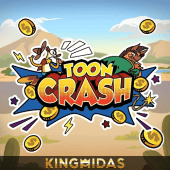
Toon Crash
Category: cards. Read the live game instructions to confirm the available modes, actions, and payout details, since these should not be inferred from the title or category alone.
In one sentence: understand the interface first, participate only at a stake you can afford to lose, and stop at the time or spending limit you set beforehand. A demo, if offered, can familiarize you with controls but cannot predict later results.
Other cards titles in the lobby
These nearby cards-category options offer a way to browse different game names and interfaces. They are promotional entry points, not links to separate review pages.
What should you know before opening Toon Crash?
Confirm the rules, minimum and maximum stake, and any special round conditions in the game’s information panel before you begin. The listing identifies Toon Crash as a cards title, but does not by itself establish how a round works or what it may return.
That distinction matters for a player searching for a practical introduction. A category label helps with discovery; it is not a complete ruleset. Look for the instructions available within the current game, including what starts a round, what actions are possible, when a result is final, and whether any optional feature changes the stake. If an item is unclear, pause rather than testing it with money.
Toon Crash Demo can be a useful way to learn where the controls and help panel are, when a no-cost practice mode is actually provided. Use it to understand the screen, not as a statistical sample or a promise that a paid session will behave similarly. Each round should be treated as uncertain, even if earlier rounds seemed to form a pattern.
Before following a promotion, inspect the offer’s eligibility, expiry, wagering conditions, and game restrictions. A headline offer is not equivalent to withdrawable value. Players comparing a jim milton casino entry with other options should verify the correct destination, read the current terms, and avoid submitting credentials on pages they cannot authenticate.
The game-specific decision should stay small and reversible: choose a budget that does not affect rent, bills, savings, or other essentials; pick a short session window; and leave when either boundary is reached. No card system, timing rule, or previous result guarantees a favorable next outcome.
How does a Toon Crash round move from setup to result?
Follow the sequence shown on the live screen, and confirm every choice before committing. The exact mechanics should come from the game's own instructions; these checkpoints describe a cautious order of operations rather than claiming undocumented rules.
- Read the available instructionsOpen the help or paytable area and identify the round objective, available actions, and any feature conditions. Do not rely only on the cards label.
- Check the stake displayReview the selected value and any optional settings before proceeding. Make sure the amount is within the budget chosen for this session.
- Begin only after the choice is clearUse the game’s stated start control when you understand what happens next. If the interface offers different modes, compare their terms before selecting one.
- Observe the resolutionAllow the round to complete and review the result as displayed. A win, loss, or near result does not indicate what a future round will do.
- Decide whether to stopCheck elapsed time and remaining budget after each short block of play. End the session when either planned limit is met rather than raising it to recover losses.
A first-time player can prepare by reading the broader How To Play Jim Milton guide, especially the advice on confirming a secure route and reviewing game instructions before account or payment actions.
Toon Crash Demo, when available in the game lobby, is best treated as an orientation stage. Try locating controls and help information; avoid interpreting a short sequence of sample outcomes as evidence of a repeatable advantage. If the demo is not offered, do not assume that a paid round is a risk-free substitute.
Which Toon Crash details are worth checking as a player?
Prioritize clarity, control, and fit over claims about winning. A useful evaluation asks whether the rules are understandable, the stake is comfortable, and the pace lets you make deliberate choices without pressure.
Readable rules
- Can you explain the objective and round-ending condition after reading the game’s help text?
- Are any special cards, bonuses, or side options described with their costs and conditions?
- Do not proceed if a rule or stake is hidden behind unclear wording.
Comfortable pace
- Notice how much time is available for each decision and whether the interface feels rushed.
- Take a break between sessions instead of increasing activity in response to a result.
- Use a timer if you tend to lose track of time while focused on a game.
Transparent terms
- Look for a current explanation of stake limits, game rules, and any promotion conditions.
- Compare what is displayed in the game with the offer terms before opting in.
- When a detail cannot be verified, treat it as unknown rather than assuming the most favorable interpretation.
Personal fit
- Consider whether card-based choices are enjoyable for you without turning play into a source of pressure.
- Choose a lower commitment only if its limits and terms are clear; low stake does not remove uncertainty.
- Leave the game if the session no longer feels like entertainment.
These are practical questions rather than fabricated player testimonials. No experience report or promotional label can establish a typical result for every player. A jim milton promotions offer should be considered separately from the underlying game: verify its dates, restrictions, and wagering requirements before deciding whether it is relevant to you.
When deciding whether a gaming site belongs in your routine, compare account controls, access security, terms visibility, and how easy it is to pause. The About Jim Milton overview provides further context for reviewing the platform and its stated service boundaries.
What are the key takeaways for Toon Crash?
Know the rules, verify the stake, and decide your limits before play. These three habits are more dependable than any prediction method because they focus on what you control: information, spending, and time.
- Category is not a rulebook. Toon Crash appears in the cards category; use the game’s current instructions to verify how it works.
- A demo is for familiarity. Toon Crash Demo, if offered, can show the interface but cannot forecast or guarantee real-play outcomes.
- Promotions have conditions. Read the full terms and check eligibility before accepting an offer or making a payment.
- Limits come first. Set a fixed entertainment budget and stop time; never borrow or chase losses.
- Protect account access. Use a unique password, verify the destination, and never share passwords or one-time codes.
For mobile setup questions rather than game rules, the Jim Milton Download guide explains what to verify before installing an app. Use only a source you can authenticate and avoid unknown mirrors or modified files.
Explore Toon Crash when you are ready
Review the current instructions and any applicable promotion terms first. Keep participation within your limits and treat all game results as uncertain.
For adults of legal age in jurisdictions where the service is permitted. Play for entertainment, not income.